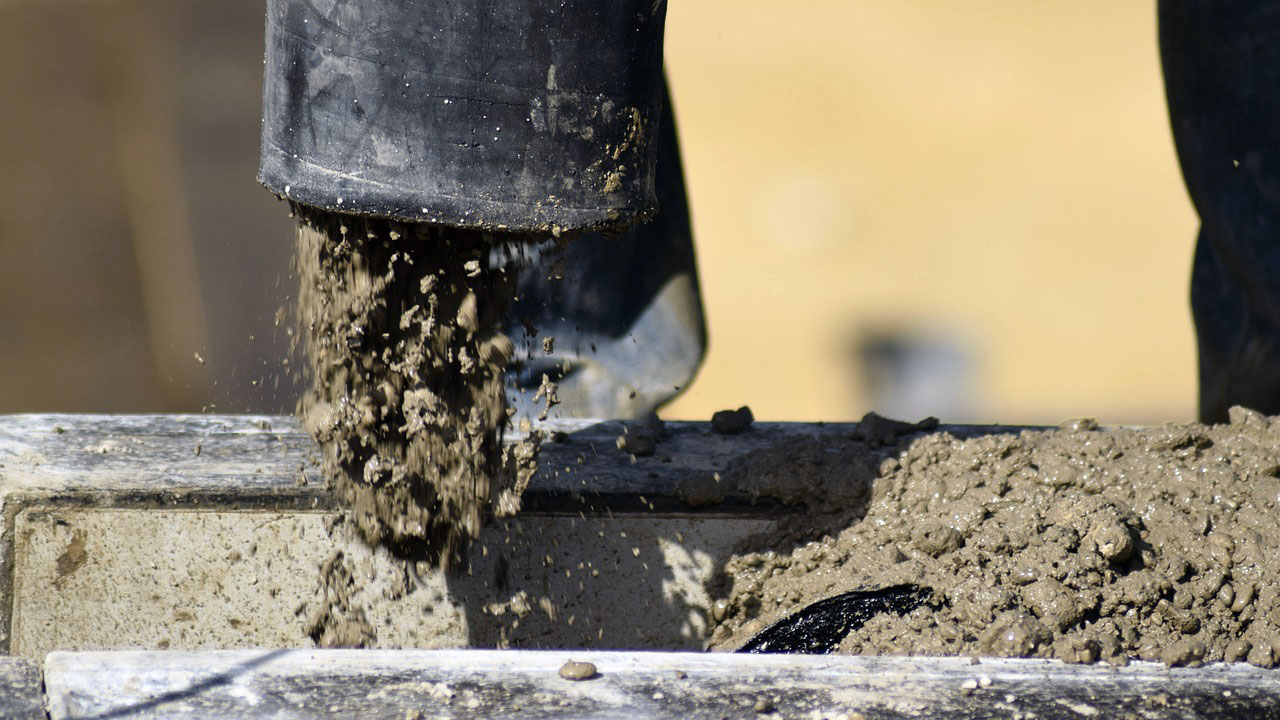
It is impossible to imagine modern construction without cement. It forms the basis of foundations, floor screeds, masonry mortars, and most construction mixes used in home building and renovation. Cement ensures the strong bonding of brick, reinforced concrete blocks, and other structural elements.
The correct choice of cement affects not only the speed of construction but also the long-term safety of the building. Mistakes at this stage can lead to cracking, structural deterioration, and significant additional expenses. That is why selecting the right types of cement for a specific task requires a professional and well-considered approach.
Cement is the foundation of structural reliability.
What Is Cement and Why Is It Critical for Construction?
Technically, cement is a group of hydraulic binders primarily composed of calcium silicates and calcium aluminates. When mixed with water, it undergoes hydration, forming a stone-like structure that binds construction components together.
The traditional raw materials for cement production are limestone and clay. After high-temperature kiln firing and grinding, the resulting powder develops high mechanical strength once hardened. This property makes cement essential for foundations, load-bearing walls, slabs, and infrastructure structures.
Cement is considered a key element of safe construction because it determines:
- Load-bearing capacity of concrete and mortar
- Moisture resistance
- Resistance to external mechanical stresses
If the strength class or type of cement is incorrectly selected, the resulting structure may not meet calculated performance requirements – increasing long-term risk.
In our view, the correct cement selection forms the core reliability of an entire home, while decorative elements remain secondary.
Types of Cement and Their Applications in Residential Construction
The modern market offers various types of cement designed for specific operating conditions. There is no universal option suitable for every task.
Below are the most commonly used cement types in construction and renovation:
1. Portland Cement (OPC)
The most widely used cement for foundations, slabs, and monolithic structures.
- U.S. standard: ASTM C150 (Type I, II, III, etc.)
- EU standard: EN 197-1 (CEM I)
2. Rapid-Hardening Cement
Used when accelerated strength gain is required, such as urgent repair projects.
- U.S.: ASTM Type III (High Early Strength)
- EU: CEM I 42.5R / 52.5R
3. Slag Cement (Blast Furnace Cement)
Contains ground granulated blast furnace slag (GGBFS), offering improved resistance to aggressive environments.
- U.S.: ASTM C989
- EU: CEM III
4. Pozzolanic Cement
Resistant to chemical attack and suitable for structures exposed to moisture.
- U.S.: ASTM Type IP
- EU: CEM IV
5. Expansive Cement
Reduces shrinkage deformation and minimizes cracking.
- U.S.: ASTM C845
- EU: Special performance-based classifications
6. Plasticized Cement
Improves workability and ease of placement.
7. Sulfate-Resistant Cement
Designed for structures exposed to sulfate-rich groundwater.
- U.S.: ASTM Type V
- EU: SR designation under EN 197-1
8. Waterproof Cement
Used in basements, tanks, and hydraulic structures.
9. Hydrophobic Cement
Repels moisture, improving durability during storage and performance in humid environments.
This range allows professionals to select the optimal solution for private home construction or building reconstruction.
How to Choose Cement for Foundations and Load-Bearing Structures
A common question is: Which cement is best for foundations?
For most private homes, standard Portland cement with adequate strength classification is considered optimal.
Strength classes differ by region:
- U.S.: Concrete strength is typically measured in psi (e.g., 3,000–5,000 psi for residential foundations)
- EU: Cement strength classes such as 32.5, 42.5, or 52.5 MPa under EN 197-1
When selecting cement, consider:
- Strength class
- Environmental exposure (moisture, aggressive soil conditions)
- Structural type
- Required strength gain speed
It is important to remember that cement is only one component of concrete. Its performance depends on aggregate quality and proper mixing ratios. Even high-grade cement cannot compensate for incorrect proportions or improper curing.
Improper cement selection can result in microcracking, reduced frost resistance, and gradual structural deterioration. Repair costs typically exceed any initial savings.
Cement in Construction Mixes and Renovation Work
Beyond structural concrete, cement is widely used in:
- Masonry mortars
- Floor screeds
- Plastering mixes
In these applications, not only strength but also workability, plasticity, and crack resistance are important.
For interior work, standard Portland cement is generally sufficient. However, in high-humidity areas such as bathrooms, basements, or balconies, moisture-resistant formulations are recommended.
Modern cement-based mixes often contain performance-enhancing additives that improve adhesion, elasticity, and durability – especially relevant for wet environments.
Cement may appear to be just gray powder. In reality, it represents complex chemistry and decades of engineering research.
Conclusion
Cement remains a fundamental element of modern construction. The wide range of cement types allows for precise material selection according to specific operating conditions. The correct choice directly affects the reliability and longevity of a building.
During design and renovation, it is important to evaluate not only cost but also technical specifications aligned with environmental and structural requirements. We strongly recommend reviewing product labeling (ASTM in the U.S., EN in the EU) and consulting professionals before purchasing.
Strength begins with the foundation.
And in most construction systems, that foundation remains high-quality cement.