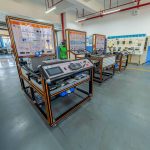
Commercial facilities have long ceased to be simply a place of work or sales. Today, they are the visual and semantic center of the brand, a space that speaks to the client instead of an advertising slogan. The design, functionality and even the atmosphere of the premises form trust, and architecture becomes a communication tool.
We have collected a selection of useful examples and resources related to modern business spaces to show how form serves content, and creativity is combined with practicality.
The evolution of commercial space
The last decade has changed the approach to organizing business premises. If previously the main requirement was functionality, now the key ones have become emotion, trust and authenticity. Brands are increasingly thinking not only in terms of “convenient to work”, but also “pleasant to be”.
The trend is multifunctionality, environmental friendliness, transparency and locality. Architecture has begun to act as a language: light, materials and openness of space can communicate the company’s philosophy before a visitor reads a single brochure.
Examples and inspiration for modern commercial spaces
1. ArchDaily – commercial architecture and design inspiration
(archdaily.com)
ArchDaily is one of the best-known international architecture platforms and a useful starting point for exploring contemporary offices, retail spaces, hospitality projects and other commercial environments. Its coverage helps readers see how architects around the world approach materials, layouts, lighting, sustainability and the relationship between business identity and physical space.
For companies planning a renovation or a new commercial facility, such examples are useful not as templates to copy, but as a way to understand current architectural thinking and discover ideas that can be adapted to a specific brand and purpose.
2. Glass Diamond LLC – Glass Installation Company in New Jersey
(glassdiamondpro.com)
Glass Diamond LLC demonstrates how glass can become both a functional building material and part of the visual language of a commercial space. Transparent partitions, custom glass elements and carefully planned installations allow businesses to create brighter, more open interiors while maintaining functional separation between different areas.
The company’s work in New Jersey also illustrates a wider commercial design trend: glass is increasingly used not simply as decoration, but as a practical architectural element that can support openness, precision and a contemporary business image.
Read more: How Modern Glass Solutions Enhancing Construction Efficiency
Main trends in commercial design
Current commercial architecture is increasingly developing around several common principles:
- Transparency and openness: glass partitions, natural light and visually connected spaces.
- Emotional connection: interiors are expected to create a recognizable atmosphere rather than simply provide functionality.
- Sustainable thinking: durable materials, efficient use of resources and environmentally conscious solutions are becoming more important.
- Flexible functions: offices, showrooms, retail areas and hospitality spaces increasingly combine several purposes within one environment.
- Brand identity through space: materials, layout and architectural details can communicate company values without relying solely on traditional advertising.
These trends show why commercial design is becoming less about decoration and more about creating spaces that work simultaneously for people, operations and brand identity.
Conclusion
Commercial architecture today is a new type of branding tool. A modern office, showroom, retail location or production space can communicate through its form, invite interaction and create trust. Companies that treat design as part of the customer and employee experience can use physical space not simply as a necessity, but as a long-term business asset